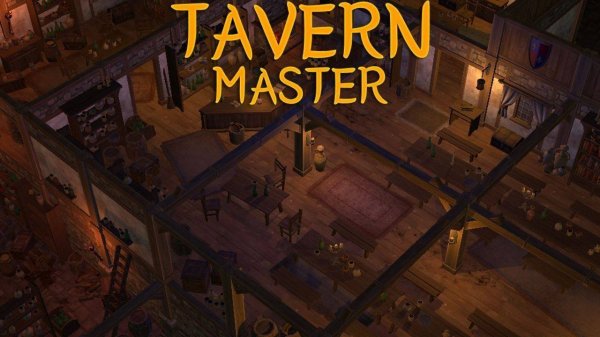
What players say
Inn Keeper: Tavern Simulation offers a peaceful yet engaging management experience. The game excels in its calm pace and creative freedom, allowing you to design a unique tavern. The progression system is rewarding, with new recipes and upgrades unlocking as you build your reputation. It is perfect for fans of simulation games who enjoy a cozy, strategic challenge.
About this game
Game Introduction
Inn Keeper: Tavern Simulation is a medieval inn management game where you take on the role of an innkeeper. Your main goal is to transform a small, modest establishment into a busy and popular hub. The core gameplay involves serving drinks and food to guests, earning coins and reputation, and gradually expanding your tavern. What makes this game stand out is its combination of strategic planning and creative decoration within a charming medieval setting. It appeals to players who enjoy simulation and management genres, offering a relaxing yet engaging experience as you build your business from the ground up. The game emphasizes a calm pace, allowing you to manage your inn at your own speed. You start with basic furniture and a limited menu, and as you earn reputation, you unlock new options to improve your tavern. The game is designed to be suitable for both short play sessions and longer gaming periods, providing a sense of progression without pressure. Players can experiment with different layouts and menus to optimize their inn's performance. The medieval theme adds a layer of charm, with visuals and sounds that create an inviting atmosphere. Overall, Inn Keeper: Tavern Simulation offers a rewarding experience for those who enjoy building and managing a business in a peaceful setting.
How to Play
To play Inn Keeper: Tavern Simulation, you begin by setting up your tavern with basic furniture such as tables and benches to accommodate customers. As guests arrive, you serve them drinks and later meals from your kitchen. You can hire staff members like waiters and cooks to help manage the increasing workload. Progress is driven by customer satisfaction and reputation, which you can improve by serving efficiently and expanding your menu. Earnings are used to purchase upgrades, increase your tavern's size, and add decorative elements. The game emphasizes a calm pace, allowing you to manage your inn at your own speed. Players typically interact with a simple interface to assign tasks, purchase items, and monitor customer feedback. The game may include a tutorial to help new players understand the basic mechanics. As you advance, you can unlock new recipes and furniture options to further customize your tavern.
Game Features
Key features of Inn Keeper: Tavern Simulation include managing a medieval tavern with drink and food service. You can hire and train staff to improve efficiency. The game allows you to expand and decorate your inn to attract more customers. It offers a relaxing pace with strategic depth, making it suitable for both short play sessions and longer gaming periods. While specific numbers of levels or characters are not detailed, the game typically involves progression through reputation and earnings, unlocking new options as you grow your business. The game may include a variety of decorative items to personalize your tavern. The cooking and serving mechanics are central to gameplay, requiring you to manage resources and customer needs. The simulation aspect involves balancing multiple tasks, such as ordering supplies, managing staff schedules, and responding to customer requests. Overall, the features focus on creating a satisfying management experience in a cozy medieval setting.
Tips for Success
To succeed in Inn Keeper: Tavern Simulation, focus on keeping your customers happy by serving them promptly. Invest in staff early to handle busy periods and maintain efficiency. Prioritize expanding your kitchen to offer a full menu, as this can increase customer satisfaction and revenue. Decorate your tavern to create an inviting atmosphere, which may attract more guests. Manage your earnings wisely, balancing between upgrades and expansion. Pay attention to customer feedback and adjust your strategy accordingly. Regular practice and experimentation with different layouts and menus can help you optimize your tavern's performance.